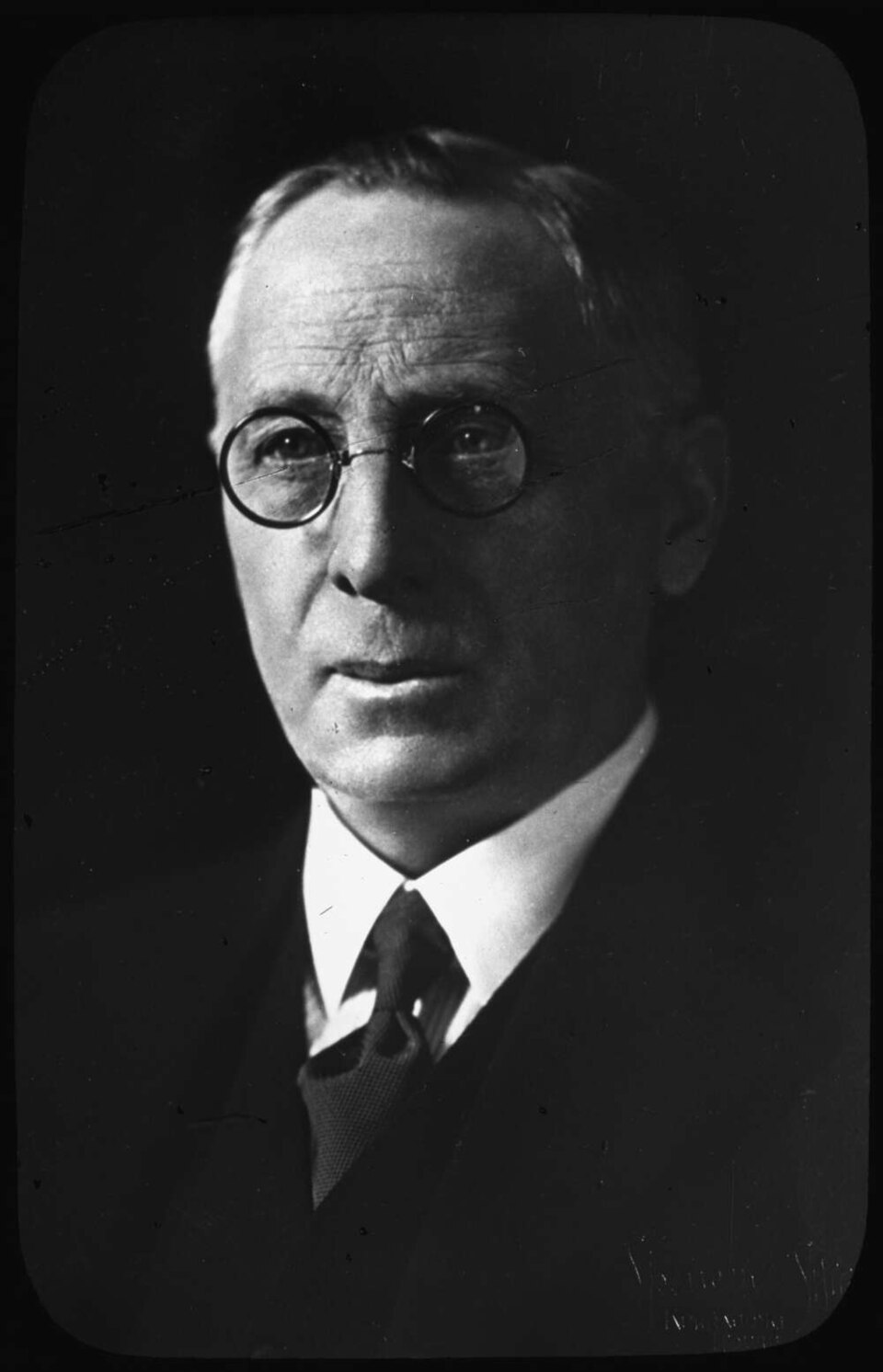
MT ISA, QLD — Australia’s Flying Doctor Service began with the vision of Reverend John Flynn, whose first posting as a Presbyterian minister was to Beltana, a tiny, remote settlement 500 kilometres north of Adelaide.
After reporting to his church superiors on the difficulties of ministering to such a widely scattered population, he was appointed as the first Superintendent of the Australian Inland Mission, the ‘bush department’ of the Presbyterian Church, in 1912.
Flynn served in the AIM at a time when only two doctors served areas of 300,000 sq km in Western Australia and 1,500,000 sq km in the Northern Territory. Realising the need for better medical care for the people of the outback, he established numerous bush hospitals and hostels.
By 1917, Flynn envisaged that new technology such as radio and the aeroplane could assist in providing a more effective medical service.
His speculations attracted the attention of an Australian pilot serving in World War I, Clifford Peel, who wrote to Flynn, outlining the capabilities and costs of then-available planes. Flynn turned his considerable fund-raising talents to the task of establishing a flying medical service.
On May 15, 1928, the Aerial Medical Service was established at Cloncurry, in western Queensland.
Communication was vital for the service to operate, so Flynn collaborated with Alfred Traeger, who developed the pedal radio, a lighter, more compact radio readily available to more outback residents because of its size and cost.
Because the pedal radio eliminated the need for electricity, which was available in very few areas of the outback in the 1920s, it made communication more accessible to the people who needed it.
Thus, Flynn took advantage of both radio and aeroplanes to provide a “Mantle of Safety” for the outback. Initially conceived as a one-year experiment, Flynn’s vision has continued successfully through the years, providing a valuable medical service to people in remote areas.
In 1942, the service was renamed the Flying Doctor Service. Queen Elizabeth II approved the prefix “Royal” in 1955 following her visit to Australia, and the service became the Royal Flying Doctor Service, or RFDS.
The RFDS was relocated from its original Cloncurry base to Mt Isa, western Queensland, on June 22, 1964. Whilst some bases have been closed or relocated through the years, more new bases have been established through the years, and the Service continues to grow. As of 2016, the RFDS owns a fleet of 64 aircraft, operating from 25 bases across Australia.