KOKODA, PAPUA NEW GUINEA. — During World War II, Papua New Guinea was the site of an invasion by Japanese troops, which brought the threat of Japanese invasion of Australia closer. Beginning with the invasion of Rabaul in January 1942, the serious Japanese offensive was launched in the South Pacific. The first of over 100 Japanese bombings of the Australian mainland began in February, and on March 8, the Japanese invaded the New Guinea mainland, capturing Lae and Salamaua.
Port Moresby was the next major target, and in May 1942, the Japanese launched an invasion fleet to Port Moresby from Rabaul. After being repelled by US forces in the Battle of the Coral Sea, the Japanese then sought to invade Port Moresby from the northern coast, over the rugged Owen Stanley Range via the Kokoda Trail, which linked to the southern coast of Papua New Guinea.
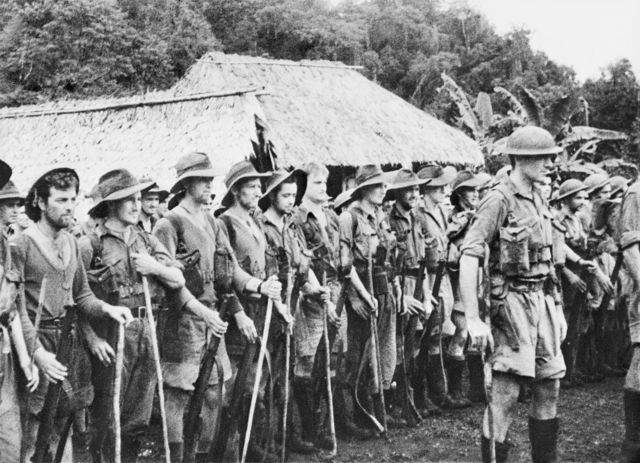
Kokoda village itself fell to the Japanese after an intense engagement on July 29, which killed Lieutenant Colonel William Owen, the commanding officer of the 39th Battalion, which was virtually the only Australian force resisting the enemy invasion through the Range.
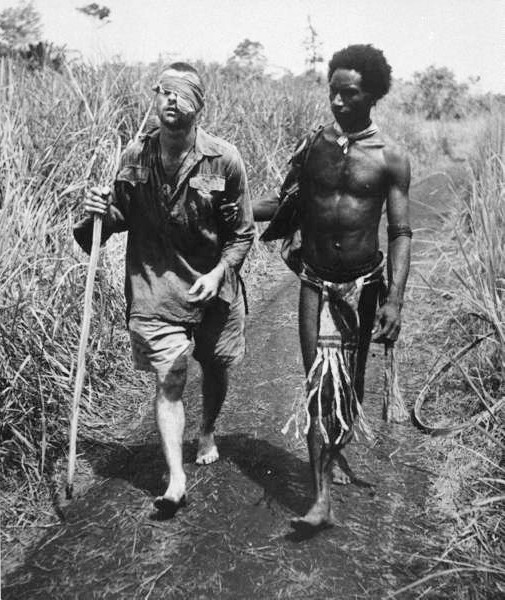
Further battalions were dispatched to retake ground along the Kokoda Track. Fighting remained intense, and casualties were high. With much assistance from the Papua New Guinean natives, dubbed “Fuzzy Wuzzy Angels”, the Australian and the US troops turned back the Japanese forces, which then retreated to bases at Buna, Gona and Sanananda.
On November 2, a patrol from the 2/31st Battalion found that Kokoda village had been abandoned by the Japanese. On November 3, 1942, Major General George Vasey, Commander of the 7th Division, raised the Australian flag once again over Kokoda in a display of confidence in the success of the campaign.