NEWCASTLE. NSW — Newcastle is the second-largest city in New South Wales, Australia. It was not a settlement at the time when a group of convict escapees discovered the first known coal deposits in 1791.
The discovery was not made known, as the convicts sought obscurity rather than notoriety.
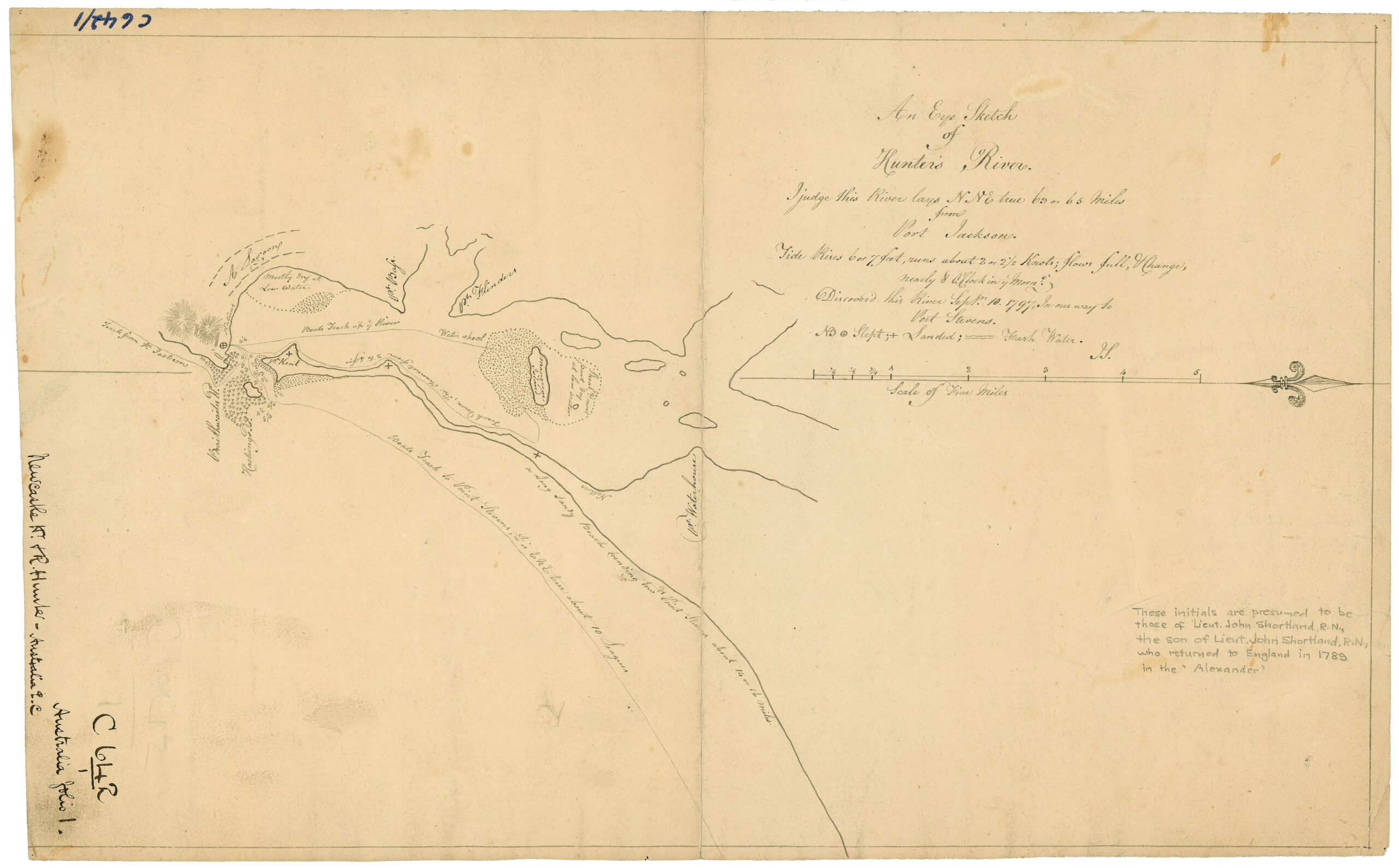
It was a British soldier, Lieutenant John Shortland, who found a coal seam while looking for the escapees in 1797.
Shortland first found a river which had been overlooked by Captain Cook, who had charted the eastern coast 27 years earlier.
Shortland named this river the “Hunter”, after Governor Hunter, but then discovered a rich seam of coal on September 18, 1797.
For some time after this, the river was known as the Coal River. Shortland took a sample of the coal back to Sydney. Within a year, workers on ships began collecting coal from the riverbanks and selling it in Sydney. The first export of local coal took place in 1799.
In order to have sufficient workers to mine the coal and cut timber, a convict camp for particularly hardened criminals was established in 1801.
It was initially known as King’s Town, after Governor King.
From this settlement came the thriving city of Newcastle.