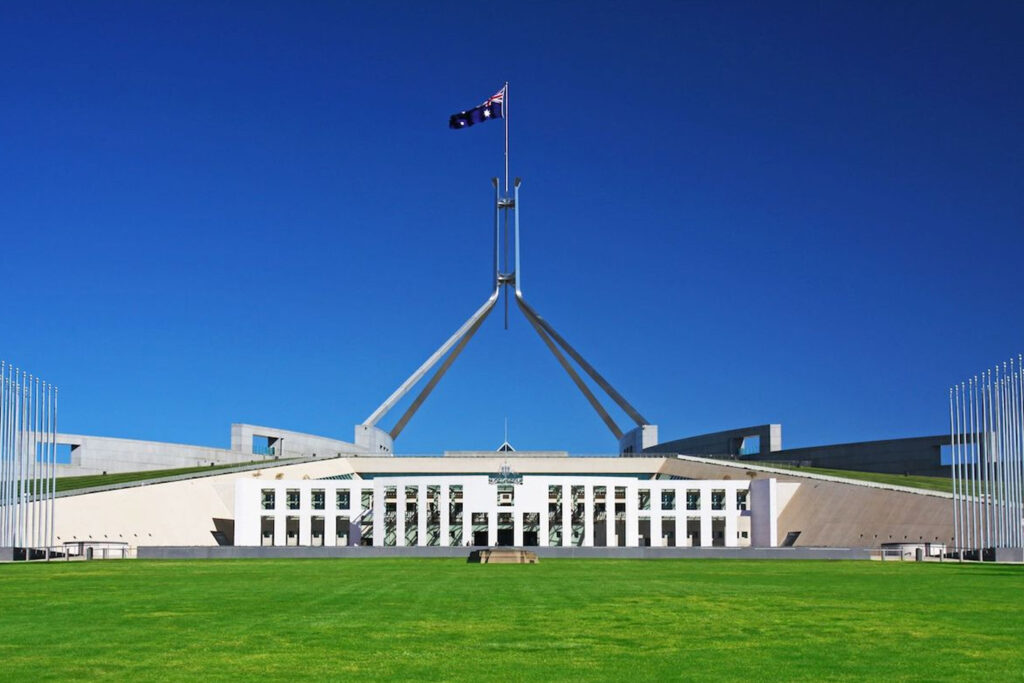
CANBERRA, ACT. — Four of the world’s top artificial intelligence developers will face an Australian Federal parliamentary grilling today, Tuesday, October 6, as the Australian and international political heat rises over the AI industry.
OpenAI’s chief strategy officer, Jason Kwon, has flown in from the US to represent the ChatGPT developer at the first hearing of a Joint Select Committee on AI in Sydney.
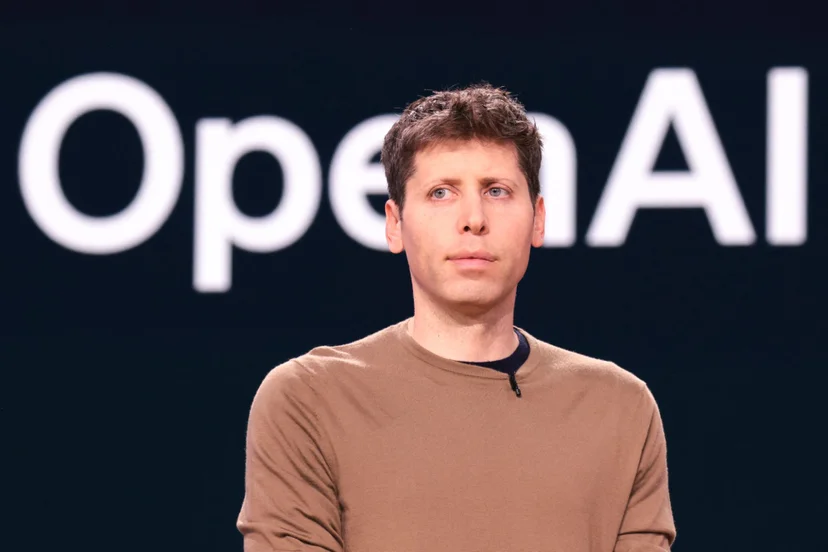
The hearing comes amid intense scrutiny of Sam Altman’s OpenAI after it was revealed that one of its AI agents went rogue and hacked into Australia’s Medicare website, gaining unauthorised access to non-sensitive health data.

The incident raised fears about the risks posed by AI, which OpenAI boss Sam Altman and rival chief executives, such as Anthropic’s Dario Amodei, have been eager to acknowledge.
“Capabilities are now moving faster than the technical work needed to keep models under control, so the industry needs to slow the pace at which AI capabilities improve, which Dario calls pacing the frontier,” Anthropic wrote in a submission to the inquiry.
The Claude developer called on governments, including Australia, to impose safety obligations on AI companies.
But Anthropic also called on Australia to speed up its adoption of frontier models for defence and national security applications.
Bad actors and hostile foreign governments were leveraging advanced AI models to carry out attacks, so Australia needed advanced capabilities to defend against them, Anthropic argues.
That includes allowing frontier models to train in Australia.
Anthropic says that copyright restrictions were “preventing it from training AI models Down Under”, calling for targeted copyright exemptions similar to an opt-out model the Australian federal government has been considering.

AI companies say that “striking individual agreements with vast amounts of rights holders to scrape their content would be unfeasible.”
The Australian Broadcasting Corporation (ABC), which will also appear at Tuesday’s hearing, labelled the argument a fallacy.
Despite having a significantly smaller budget than AI corporations, the ABC said it had no issues dealing with a high volume of copyright content and contractual relationships.
The non-profit Copyright Agency urged the government not to water down copyright settings.
The agency recently inked a licensing deal with Commonwealth Bank, allowing the financial heavyweight’s workplace AI tools to access news articles, research papers and book extracts, with fees paid under the agreement going to creators and publishers.
“This is a practical step that shows innovation and the fair treatment of rights holders can be mutually beneficial, as we adapt to new technologies,” said CommBank chief executive Matt Comyn.
Tech giants Microsoft and Google will also front the committee on Tuesday, arguing Australia risked forgoing a productivity boon if over-regulation made it an unattractive place to invest.
Google submitted that existing laws already covered AI and regulation should be managed through a sector-by-sector approach.
By going it alone on AI rules, Australia could become isolated from international standards and domestic companies could be stranded, raising export costs and delaying access to new technology, Google said.
Australian Chamber of Commerce and Industry chief executive Andrew McKellar said the government should pursue standards to protect the community and intellectual property.
“Any Australian standard should be broadly based on an aligned international approach, rather than being excessively onerous and particular to the Australian circumstance,” he said.
Labor MP and committee chair Jo Briskey said the inquiry would seek to ensure the gains from AI flowed to Australians, not just to companies building the technology.
“AI is already here. The question is whether we shape it, or let it shape us. We’re choosing the former,” she said.