

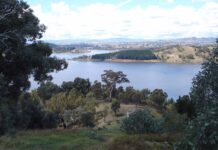

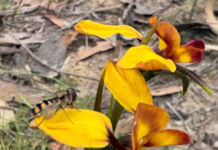

















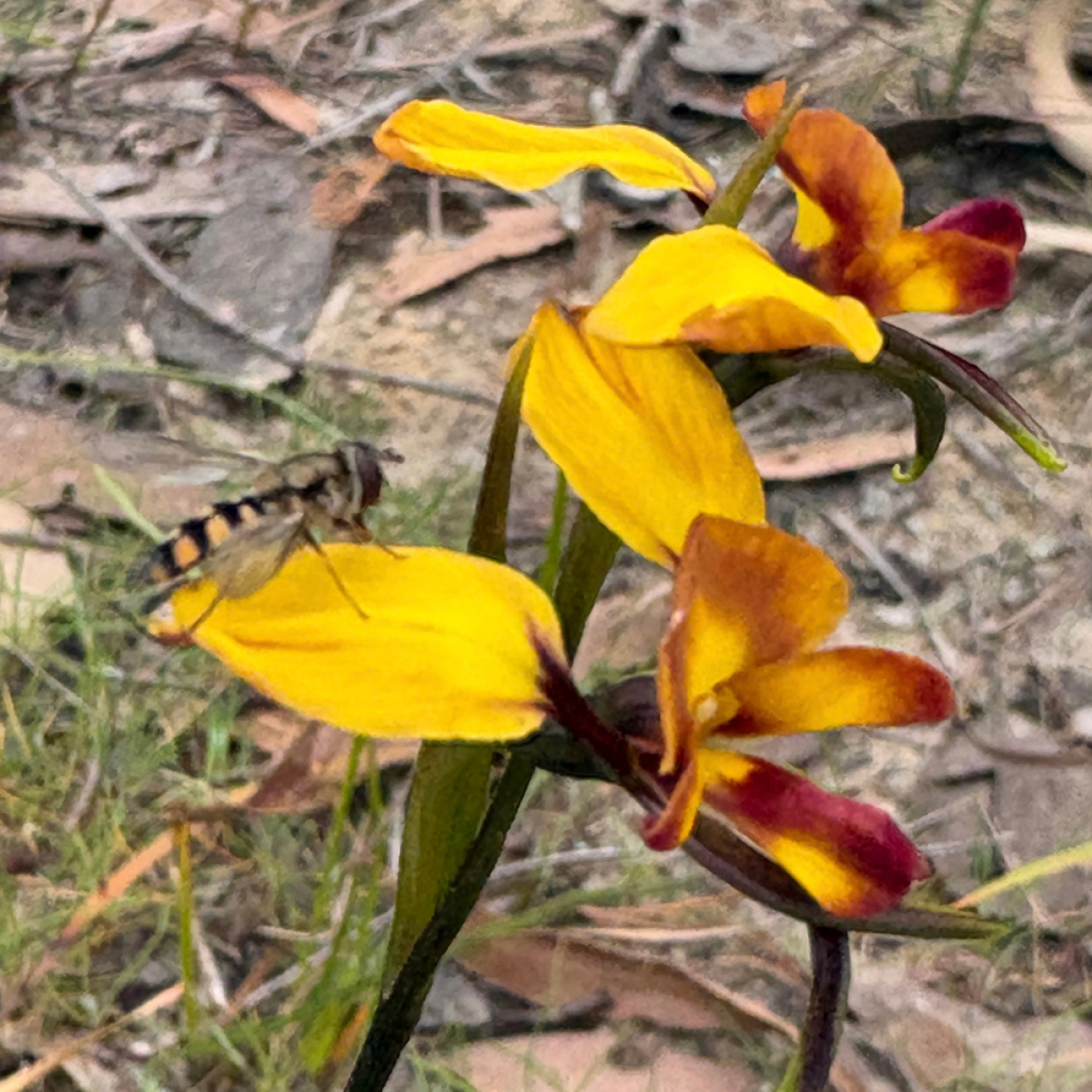
ANGLESEA, VIC. — Fuel breaks might seem an unlikely place for flowers to put on a show, but in Anglesea, flower enthusiasts make a beeline for FFMVic’s fuel breaks and adjacent planned burns, attracted by blooming wildflowers and orchids.
The breaks around Anglesea give firefighters safe access so they can defend communities and vital assets like phone towers, critical water infrastructure and private houses from the effects of fire.
But each year in Anglesea, they become a tourist attraction in their own right.
This year, flower lovers will set their sights on the fuel break network and associated planned burns surrounding Anglesea.
“The guided walks organised by Angair and the Friends of the Eastern Otway’s as part of their annual Wildflower and Arts Show literally follow our burn program around town,” explained Aaron Ledden, Manager, FFMVic District Operations, East.
“We will get a peak orchid and wildflower response, usually 2-4 years post-fire, and it will taper off from there.”
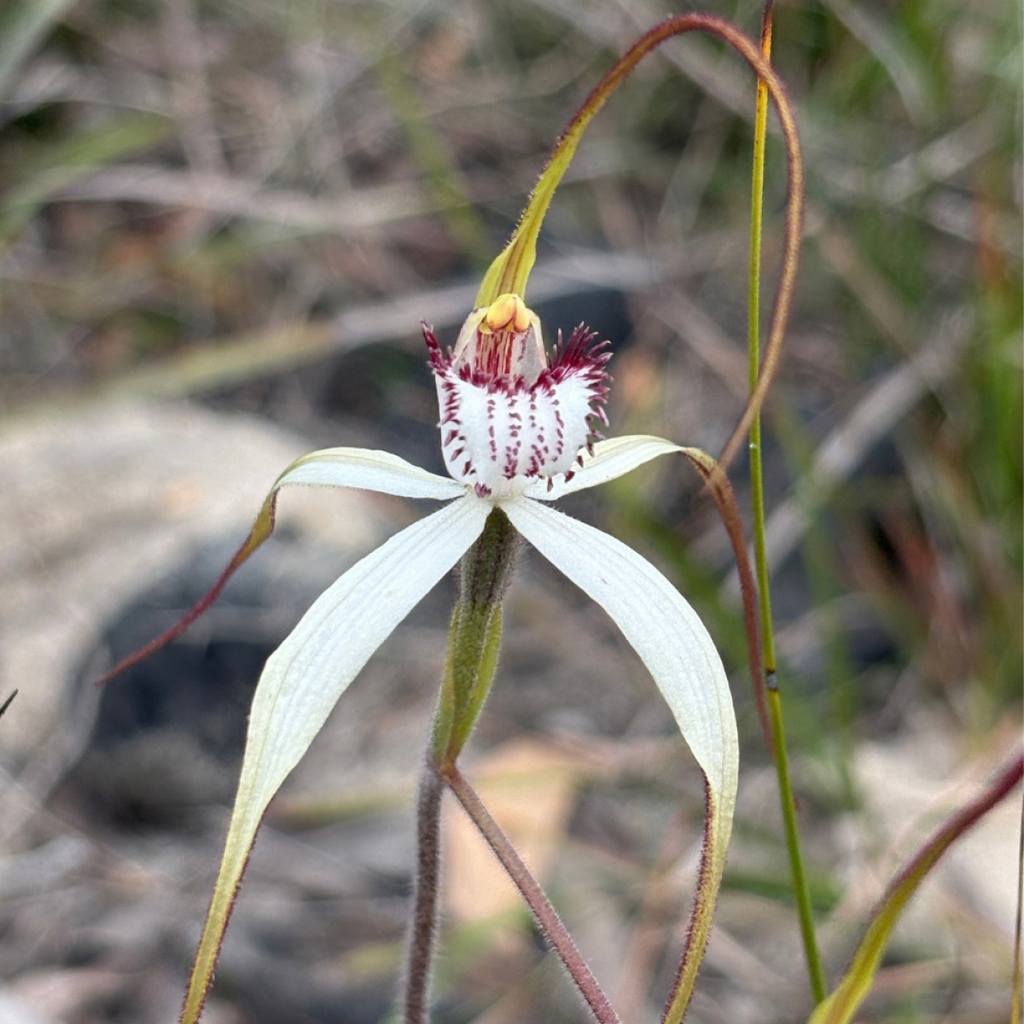
The flowers also symbolise a blossoming relationship between the community and FFMVic.
“In 2006, we constructed a fuel break around parts of town, and it’s fair to say we copped a fair bit of pushback,” Aaron said.
“But now FFMVic shares burn history with the show organisers which helps the planning of sites to visit during the show.”
Aaron paid credit to local conservationist and author Marg McDonald.
“Marg is a wealth of knowledge and has contributed so much to conservation in the Otways,” he said.
“Across the year there is an ongoing discussion with Marg about when it’s right to slash and when it’s right to burn, to try and get the management spot on, enhancing orchid and flower diversity at the sites.
“These are values that are important to the local community, and we work hard with them to try get the balance right between risk reduction and enhancing biodiversity.”
Orchids vulnerable to crowding out
Aaron said the small and delicate structure of Australian orchids meant they were vulnerable to crowding out by other vegetation.
“Orchids are a disturbance response species,” he explained.
Aaron said the orchids also “have a strong fungal association with the soil and rely on a wide range of native pollinators for survival”.
“To help maintain orchid and wildflower biodiversity on our fuel breaks, we look to run fire through the breaks every 6-7 years to freshen them up, create gaps for the light to come through and trigger the regeneration process.”
“Some of the species are so dependent on fire that without regular burning they start to drop out of the system.”
“If you leave it too long, the seed becomes less viable, the fungi might drop out.”
“The orchid response in particular varies year to year, but there is a strong correlation between recent fires and good winter rains,” Aaron said.
“Last year was a poor year due to the drought; however, this season is shaping up as a great year for orchids due to the good rains in August”.