









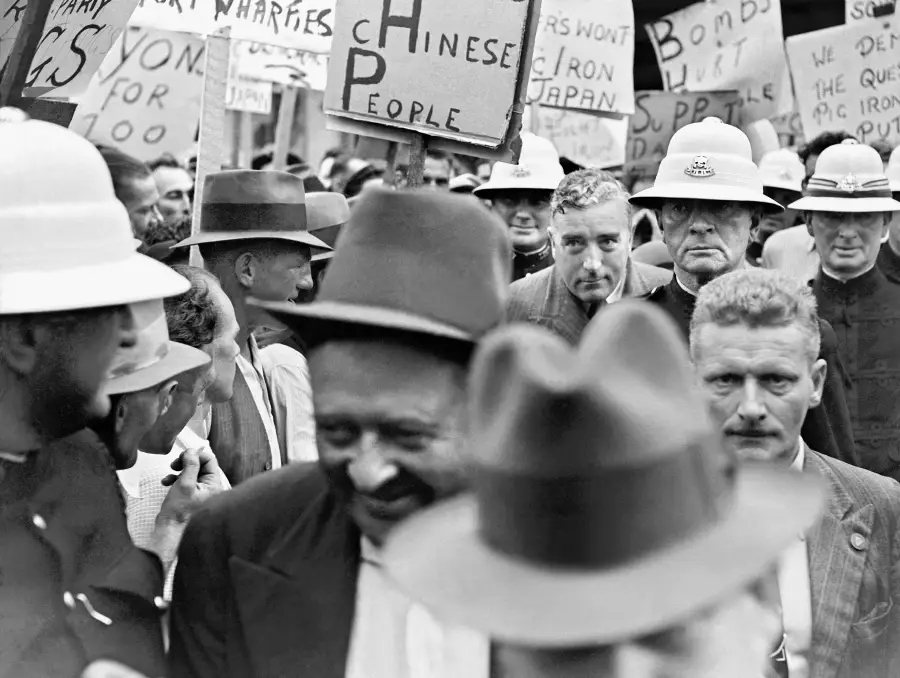
PORT KEMBLA, NSW. — Members of the Waterside Workers’ Union at Port Kembla in New South Wales refused to load cargo of pig-iron onto the steamer Delfram. Around 400 tons of pig-iron had already been loaded when the men held a stop-work meeting at 1pm, believing the pig-iron was not intended for Singapore, as they had been told, but bound for Japan. Japan was already seen as a major threat in the Pacific.
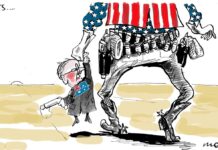
As Attorney-General, Menzies was forced to intervene. Reminding the unions that the League of Nations had not imposed trade sanctions against Japan, he threatened to invoke the Transport Workers Act against the unions if they did not load the pig-iron.
Wharf labourers, members of the Waterside Workers’ Federation of Australia, led by Ted Roach, refused to load pig iron onto the steamship SS Dalfram headed for Japan. The ship was chartered by Mitsui to supply the Japan Steel Works Ltd in Kobe, as part of a contract for 300,000 tons of pig iron.
The Japan Steel Works was producing military materials for the undeclared war in China.
The Australian Council of Trade Unions in October 1937 called for a boycott of Japanese goods and an embargo on the export of iron to Japan in response to the Japanese aggression.
Trade unions and many workers argued that the pig iron would be used in bombs and munitions in the invasion of China and articulated that it may also be used against Australia, which is was when Japan bombed Darwin, proving the union’s concerns correct.
So, yes, some of the bombs that fell on Australia, and some of the Japanese planes that dropped the bombs, in World War II were made from Australian metals that we sold to Japan prior to WWII.
Due to the ongoing strike action, the steelworks were closed, forcing many workers into unemployment. After a dispute lasting nine weeks and resulting in an estimated cost of £100,000 in lost wages and £3000 for the owners of the Delfram, which lay idle at Port Kembla throughout that time, the workers agreed to load the remaining pig-iron.
Union leaders met with the Prime Minister and Robert Menzies to settle the terms later that week.
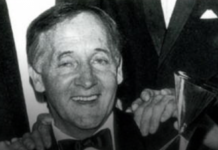
Robert Gordon Menzies entered politics in 1928 after being elected to Victoria’s Legislative Council for East Yarra. After six years in Victorian state politics as Attorney-General and Minister for Railways (1928–34), he was elected to federal parliament as Member for Kooyong. From 1935, Menzies was Deputy Leader of the United Australia Party under Joseph Lyons, as well as Attorney-General and Minister for Industry.
The entire incident earned Robert Menzies the nickname “Pig-Iron Bob”, which remained with him throughout his political career and followed him into the history books.