




















VICTORIA. — The International Day of Older Persons on October 1 each year is an opportunity to celebrate the valuable contributions older people can and do make.
Older people can make a valuable contribution in driving progress and sharing their knowledge and experience to strengthen brigades and help build community resilience.
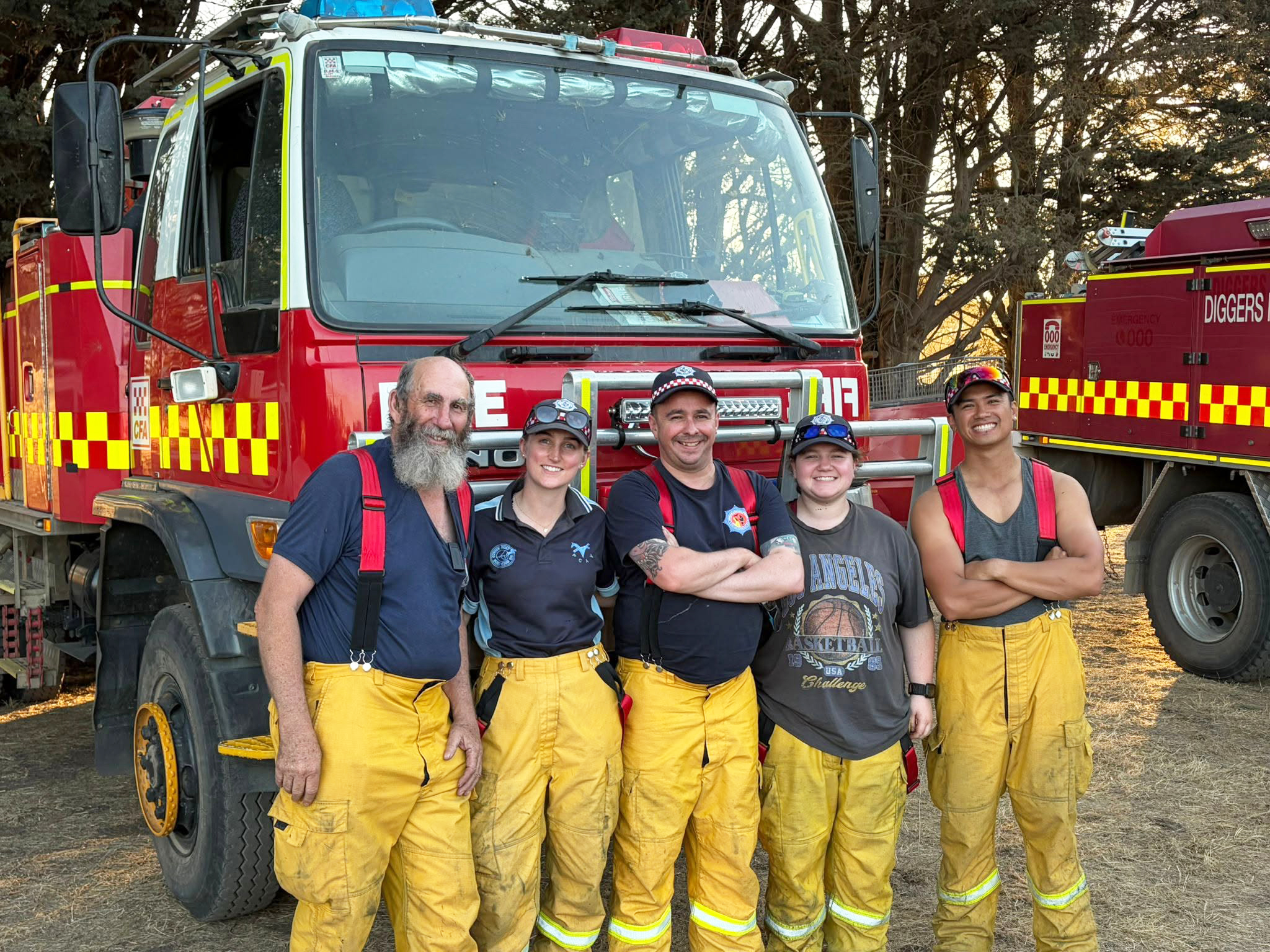
On a CFA brigade training night, it’s not unusual to find four generations working side-by-side. A teenager attending their first operational training exercise may be learning alongside someone with 40 or 50 years of firefighting experience. While age differences can sometimes create challenges, many successful brigades demonstrate that generational diversity can become one of their greatest strengths.
To find out how brigades manage intergenerational relationships, we spoke with leaders from brigades known for successfully engaging and retaining members across multiple generations: Captain Harold Jochs from Swan Hill Fire Brigade, Captain Andrew Ludeman from Wyndham Vale Fire Brigade and former Wyndham Vale Captain and current Deputy Chief Officer North West Region Trevor Weston.
Understanding the sources of conflict
One of the most common sources of tension in a brigade occurs when older members and newer volunteers have different views about change.
Long-serving firefighters often place great value on methods that have been tested through years of operational experience. Newer members may question existing practices and suggest alternative approaches, technologies or training methods.
Neither perspective is inherently right or wrong. Problems arise when one group dismisses the other rather than seeking to understand their viewpoint.
“It’s a balancing act,” Harold said. “Clear and open communication is the key. Sometimes I have to say ‘slow down’ to newer members, but it’s usually just enthusiasm.”
Communication itself can also create misunderstandings. Younger members may prefer messaging apps and digital platforms, while older members may favour phone calls or face-to-face conversations. What one person sees as efficient communication, another may perceive as disrespectful or disengaged.
Harold and Andrew address this by using a variety of communication methods to ensure important information reaches everyone, regardless of age or preference, and everyone feels supported.
Commitment is another area where assumptions frequently emerge. Long-serving members may compare today’s volunteers with a time when attendance expectations were different. Younger members, often balancing careers, study, shift work and young families, may feel those realities are not fully understood. Trevor believes clear expectations are the solution.
“When a new member joins, regardless of age, we have a conversation about the minimum expectations of the brigade and what they can realistically commit to. It’s made clear from the start,” Trevor said.
Harold shares a similar view. “Every minute a volunteer gives is valuable to the brigade. We work hard to ensure that those who turn out all the time and those who can only contribute occasionally are not valued differently.”
Respect, recognition and opportunity
Many intergenerational conflicts ultimately come down to people wanting to feel valued. Older members may feel their service and experience are being overlooked. Younger members may feel their ideas, skills and potential are dismissed because of their age or limited service. While both groups want respect, they may simply define it differently.
All three brigade leaders agreed that recognition plays a critical role in creating belonging. While formal service medals are important, meaningful recognition should happen much more frequently.
Whether acknowledging a good idea, celebrating a newly acquired competency or simply thanking someone for a contribution, these moments reinforce that every volunteer matters.
Leadership and promotion can also become sensitive issues if processes are not transparent. Conflict may arise when experienced members believe years of service are being overlooked, while younger members feel opportunities for development are limited.
Harold believes leadership should be based on readiness rather than age or tenure.
“If someone is ready, they’ll be given the opportunity. If they’re not quite ready but show potential, we’ll support and mentor them. It’s in our best interests to have a balance of experience and fresh thinking,” Harold said.
Both Swan Hill and Wyndham Vale brigades have a mix of ages and backgrounds on their brigade management teams, reflecting a focus on capability and development rather than demographics.
They also stressed the importance of creating opportunities for members of different ages to learn from one another. Experienced members bring operational judgement, local knowledge and decades of practical experience.
Newer members often contribute fresh perspectives, digital skills and new ideas. The strongest brigades recognise the value of both.
Mentoring, they believe, should never be a one-way process. While experienced members pass on lessons from incidents and brigade history, younger members can help others navigate new technologies and systems.
When everyone can be both a teacher and a learner, mutual respect grows naturally.