




















VICTORIA. — Five years on from one of the state’s most damaging storm events in recent memory, Victoria State Emergency Service (VICSES) volunteers are again preparing to keep their communities safe this higher-risk weather season.
This week marks half a decade since the destructive October 2021 storms which first swept across the state on the evening of October 28 and continued into the following morning, toppling trees and initially resulting in widespread building damage from Melbourne’s south-east to the state’s regional west.
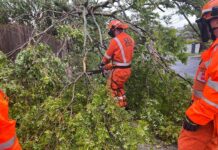
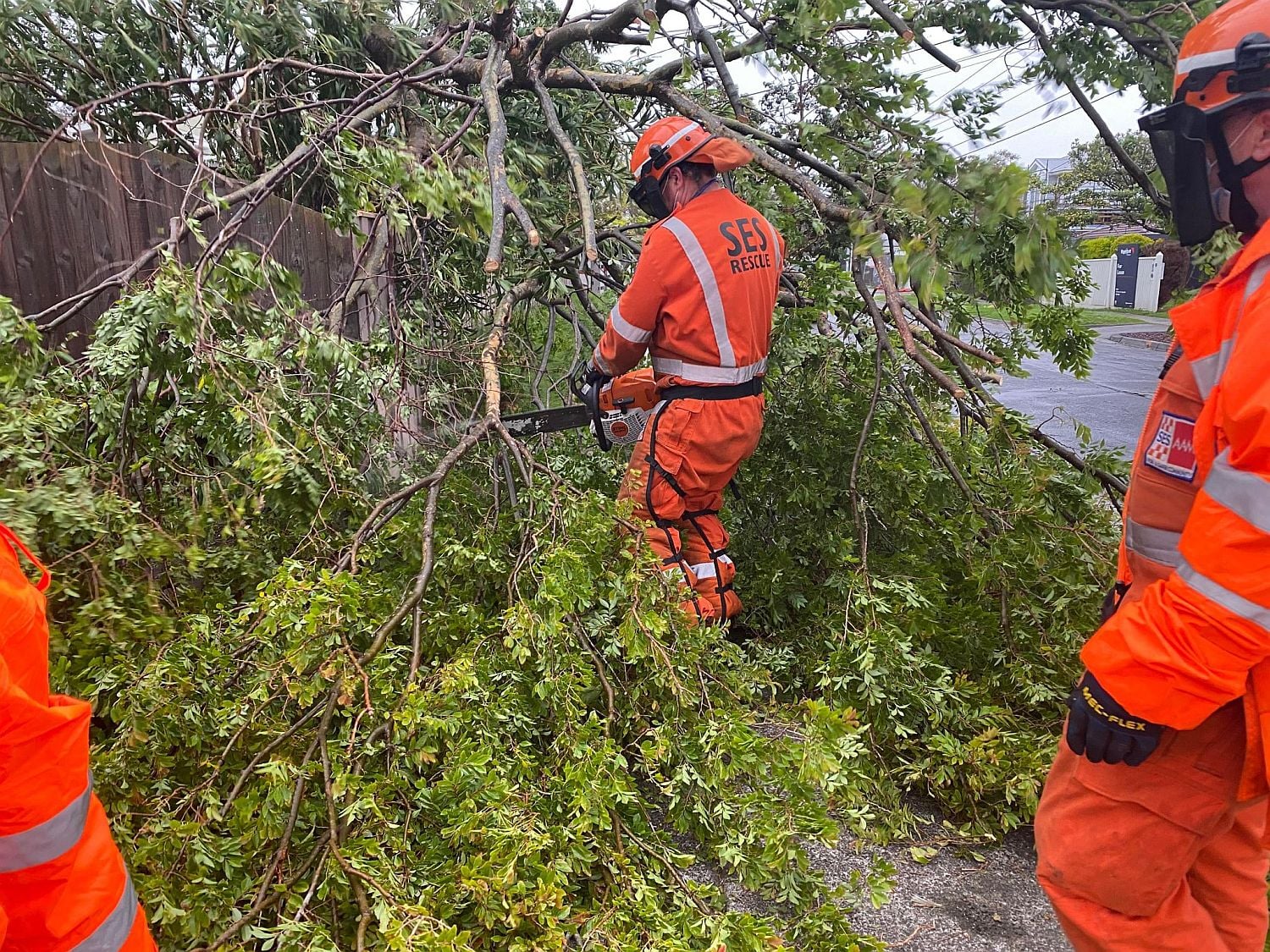
By the morning of October 29, VICSES volunteers statewide had received more than 2,500 requests for assistance (RFAs), with almost 2,000 downed trees in communities such as Frankston, Ballarat and Melbourne’s inner north-east.
RFA figures quickly increased to more than 7,700 in the ensuing days, as winds further ravaged the Mornington Peninsula and left hundreds with roof damage and thousands without power.
“The October 2021 storms were a remarkably demanding time for our volunteers who, as they always do, showed incredible commitment to their communities and provided vital support when it was needed most,” VICSES Chief Officer Operations, Alistair Drayton, said.
NSW SES volunteers were subsequently deployed to Victoria to aid the emergency response effort, bolstering Victorian crews who worked tirelessly to manage the spike in demand.
The days-long response was further complicated when another cell brought intense rainfall to Victoria’s western reaches on 3 November, resulting in isolated flash flooding in areas such as St Arnaud, Wedderburn and Castlemaine as well as additional storm damage in parts of the state.
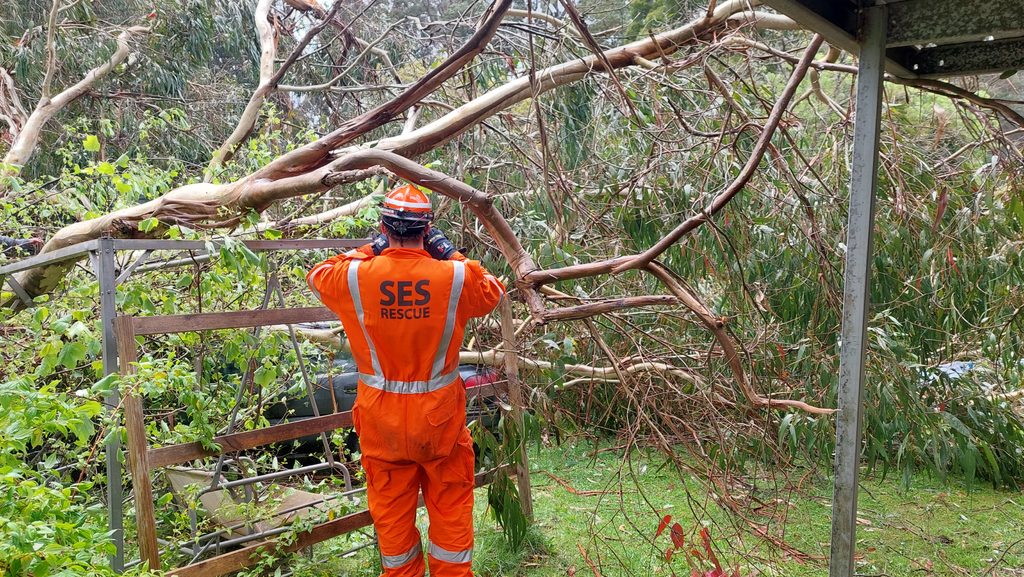
In all, the chain of emergencies saw VICSES volunteers called to almost 10,000 RFAs in the week of 29 October to 4 November, just shy of the incredible demand stemming from the similarly destructive June storms of the same year, which remains VICSES’ busiest event on record with just over 10,000 RFAs logged.
Victoria’s higher risk weather season historically runs from October to April, with warmer conditions increasing the likelihood of severe storms, strong winds and heavy rainfall throughout.
Already in 2026/27, VICSES volunteers statewide have been called to nearly 7,500 RFAs, including more than 3,000 for trees down, almost 1,000 for building damage and almost 700 for flooding.
To limit risk to your property this higher-risk weather season, now is the perfect time to trim any overhanging trees to prevent potential roof damage, clear gutters and drains to allow rain to run off efficiently and get up to date with your property’s flood risk by visiting www.ses.vic.gov.au/plan-and-stay-safe to consult your local flood guide.
Community members can also download the VicEmergency mobile app and establish a personal watch zone for their home, workplace and any travel destinations to receive any emergency warnings issued.