



















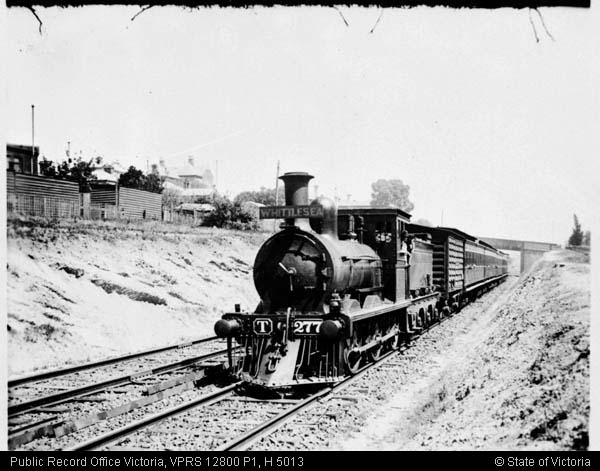
IPSWICH, QLD. — Since the mid-1800s, railways have been crucial to the transportation of freight and passengers in Australia. The first colony to open a railway line was South Australia in May 1854, with a horse-drawn railway operating between Goolwa and Port Elliot.
The first colony to open a steam railway line was Victoria. The line, opened in September 1854, ran between Melbourne and Port Melbourne.
Construction of the first railway line in New South Wales had begun in 1849, but financial difficulties hampered its completion, and it was not opened until September 1855.
South Australia was the third Australian colony to use steam-powered trains, with its first line opened in April 1865.
Queensland’s first railway was initially proposed in 1861 as a wooden-railed horse-drawn tramway from Ipswich to Toowoomba.
The colony had financial constraints, but these were mitigated when, in 1863, engineer Abram Fitzgibbon proposed using a narrow 1067 mm gauge.
The successful tender for building the line went to railway construction company Peto, Brassey and Betts, which had already serviced much of the British network.
Construction commenced in February 1864. Later that year, the first locomotives and rolling stock arrived from the Avonside Company of Stratford-on-Avon in England, and were assembled from kit form at North Ipswich.
The railway line ran from Ipswich westward to Bigges Camp, now Grandchester, a distance of 38.5km.
The line was officially opened on July 31, 1865, a day declared as a public holiday. The ceremony was attended by Governor Sir George Bowen, Lady Bowen and several other officials.
The first train service left around 10:00am and arrived in Bigges Camp at 11:06am.