

















TASMANIA. — On November 24, 1642, Tasman discovered a previously unknown island on his voyage past the Great South Land, or New Holland, as the Dutch called Australia. In his ships’ log, he recorded: “In the afternoon, about 4 o’clock…we saw…the first land we have met with in the South Sea…very high…and not known to any European nation.”
Tasman named this land Antony Van Diemen’s Land in honour of the High Magistrate, or Governor-General of Batavia. Although he saw none of the indigenous people, he noted the presence of smoke in several locations, while his crew heard human voices.
It is believed this first sighting occurred at what is now Cape Sorell, on the western coast of Tasmania. The island’s name was changed to Tasmania in 1855, over sixty years after British colonists settled the Australian continent.
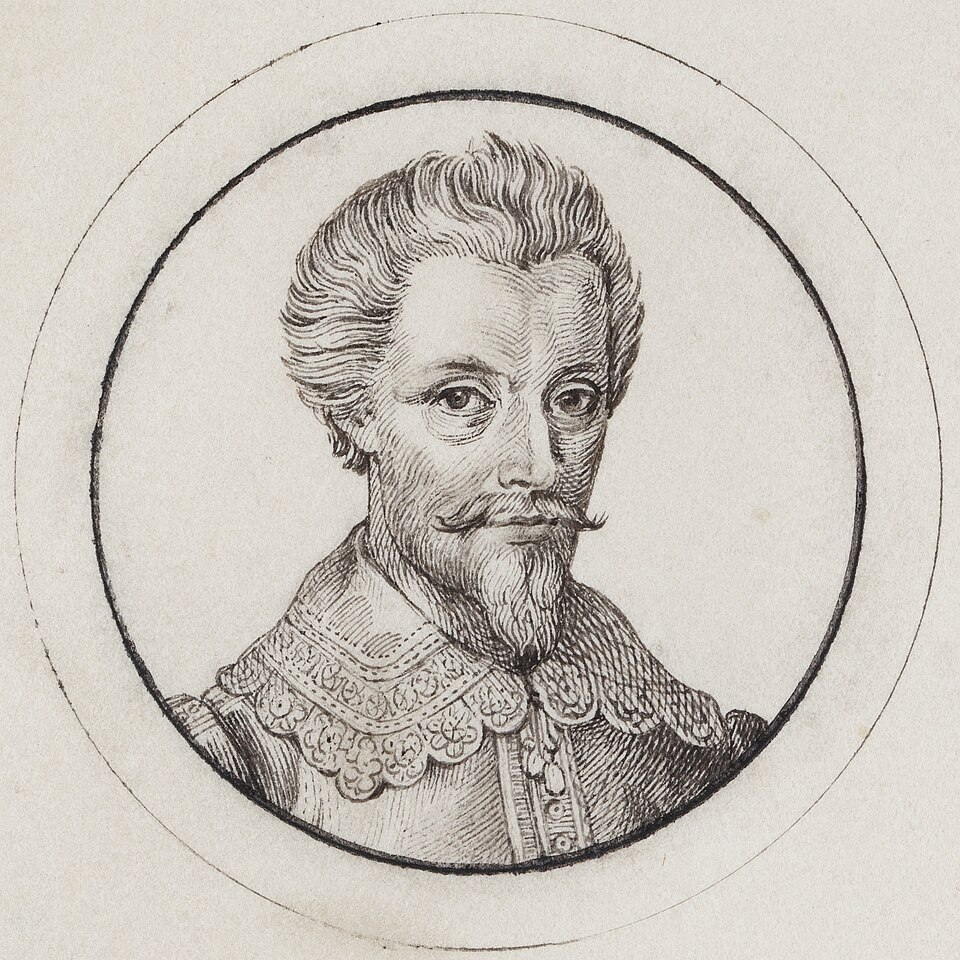
Abel Janszoon Tasman was a Dutch seafarer and explorer born in 1603 in the village of Lutjegast, Netherlands. In 1634, Tasman joined the Dutch East India Company and, after gaining further experience and promotions, was ordered to explore the southeast waters to find a new sea trade route to Chile in South America.