



















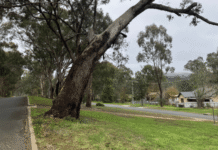
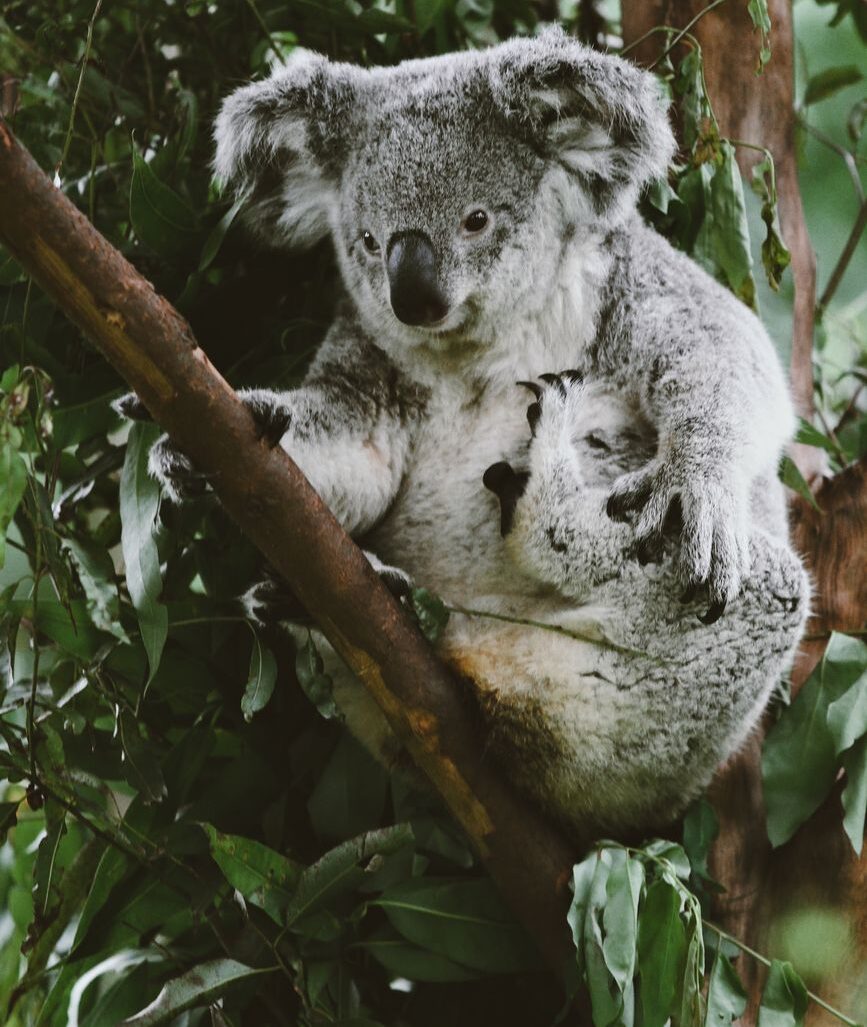
YARRA RANGES, VIC. — Yarra Ranges Council has planted 2,000 trees to support koala habitat restoration and increase native vegetation in the Yarra Valley.
The extensive revegetation project was carried out throughout the 2026 winter and spring planting seasons by Yarra Ranges Council’s biodiversity team and community volunteers from the Tree Project.
Funding for the initiative was provided through the Foundation for National Parks and Wildlife’s (FNPW) Landscape Resilience Program.
The newly planted species were selected specifically to expand habitat cover and feeding corridors for koalas and other threatened native wildlife across priority sites in the municipality.
Yarra Ranges Mayor Richard Higgins said the project represents a vital investment in the region’s long-term environmental health.
“These 2000 trees represent an important investment in restoring habitat for koalas and supporting the diverse species and ecosystems that make Yarra Ranges so special,” Cr Higgins said.
“Our region also supplies approximately 70 per cent of Melbourne’s drinking water, so it’s incredibly important to take care of our natural environment, for our local communities, and for Victoria as a whole.”
The Yarra Ranges spans more than 188,000 hectares of native vegetation, which includes Mountain Ash forests and key riparian corridors and provides habitat for over 2700 native flora and fauna species.
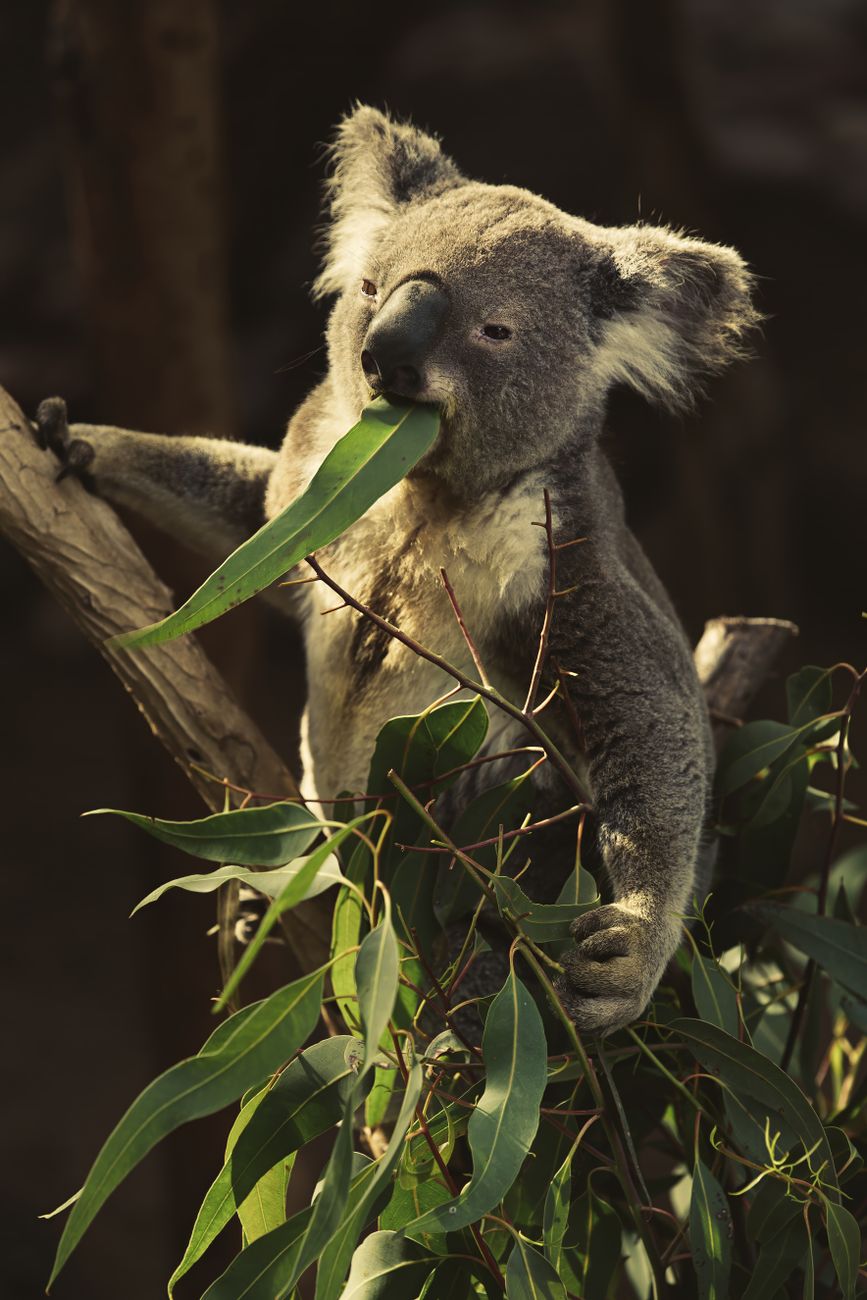
Up to 50 of these species are listed as threatened under the federal Environment Protection and Biodiversity Conservation (EPBC) Act.
FNPW Chief Biodiversity Officer Mark Cairns highlighted the role of community collaboration in supporting long-term biodiversity.
“These 2000 trees will re-establish the canopy cover and feeding corridors that koalas and other threatened species depend on to thrive,” Mr Cairns said.
“The trees will directly improve habitat connectivity and build environmental resilience across the Yarra Valley.”
The planting program focused on priority sites where revegetation can contribute to the restoration and expansion of koala habitat, while increasing native vegetation cover and supporting biodiversity, with thanks to funding from the Landscape Resilience Program of the Foundation for National Parks & Wildlife.