




















VICTORIA. — Forest Fire Management Victoria’s (FFMVic) specialist remote forest rappel firefighters have begun preparations ahead of the 2026-27 bushfire season.
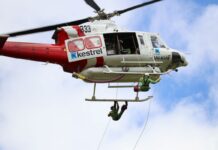
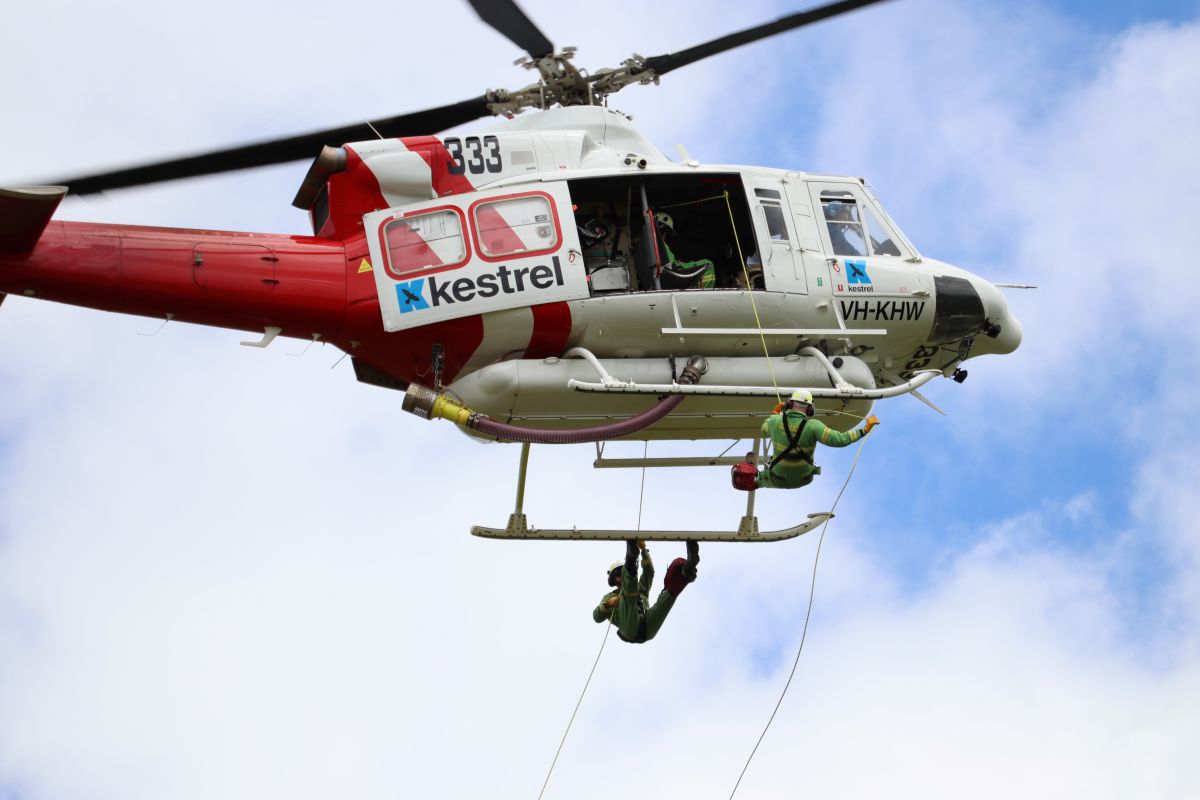
Rappel firefighters provide a critical rapid response capability, enabling crews to quickly reach and contain fires in some of Victoria’s most remote and inaccessible forests.
This bushfire season, additional Victorian Government funding will increase the number of rappelers by four, bringing the total to 40.
“These additional firefighters strengthen our ability to hit fires hard and fast in some of Victoria’s most rugged and remote terrain,” Acting Chief Fire Officer Aaron Kennedy AFSM said.
“Our priority is aggressive first attack, keeping fires small and preventing them from threatening communities and the environment.”
The funding is part of the Victorian Government’s $44.48 million investment in additional seasonal firefighters, training, equipment, fire detection capability, fleet and heavy machinery ahead of the bushfire season.
Based at Ovens and Heyfield during the fire season, FFMVic’s rappel crews can be airborne within 15 minutes of a fire being detected.
Crews rappel from helicopters directly into the fireground, where they work to contain or slow the spread of the fire. Fire-bombing aircraft provide aerial support while additional crews and machinery are deployed.
Last season, rappel crews flew 56 missions to 22 fires, many of them started by lightning in otherwise inaccessible areas.
Over the coming weeks, recruits will complete four weeks of intensive specialist training before progressing to helicopter operations, while new rappel dispatchers are also being trained ahead of the bushfire season.
Since the program was established in 1985, more than 350 firefighters have completed the training.
“Every bushfire is different, but our aim is always the same: early detection, respond quickly, contain fires early and protect communities, property and the environment,” Mr Kennedy said.
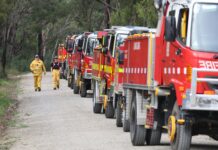
“Whether it’s rappel crews deploying into remote forests, aircraft water bombing fires from the air, or crews and dozers building containment lines on the ground, each resource plays a critical role in our response.”