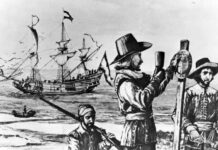























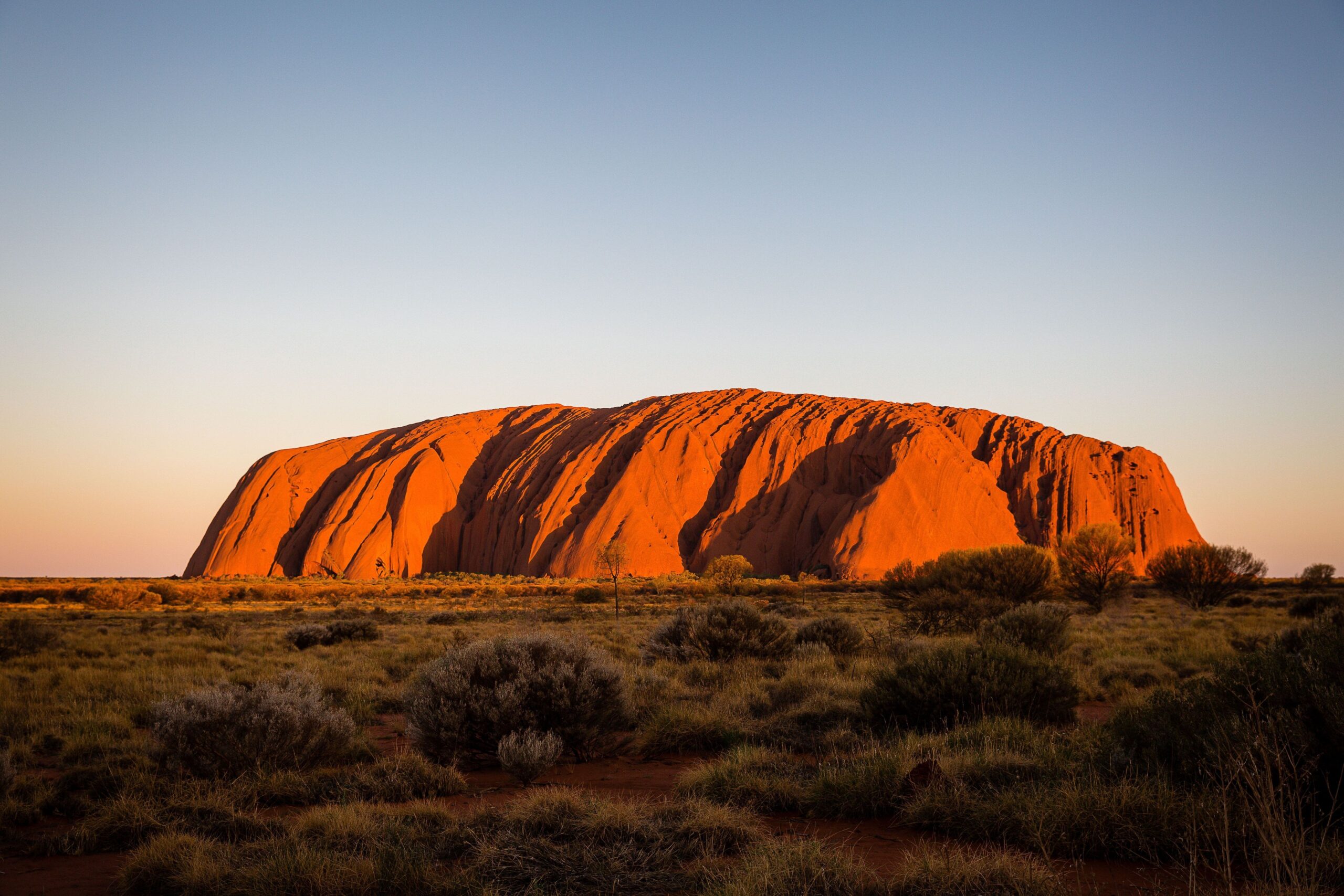
ULURU, NT. — Uluru (Kata Tjuta National Park), in central Australia, is an inselberg, often referred to as the second-largest monolith in the world, second only to Mt Augustus, which is also in Australia. Also known as Ayers Rock, it was named after the former Premier of South Australia, Sir Henry Ayers, by William Gosse of the South Australian Survey Department, who became the first European explorer to see Ayers Rock.
Gosse sighted Ayers Rock on July 18, 1873, recording that, “This rock is certainly the most wonderful natural feature I have ever seen”. The indigenous people of central Australia had known about the feature for many thousands of years. Uluru, which is believed to mean either ‘Great pebble’ or ‘Meeting place’, is sacred to the Aborigines.
Early in the twentieth century, the Australian Government declared ownership of the land on which Uluru and Kata Tjuta (formerly The Olgas) stand. The South West Reserve was created, incorporating Uluru and Kata Tjuta, as a sanctuary for the indigenous people of central Australia.
After a dirt road to Uluru was constructed in 1948s, miners and tourists began to flock to the area, and the remaining Anangu people in the area dispersed.
The Ayers Rock-Mount Olga National Park was created in 1958, and tour companies were granted leases to operate a hotel, four motels, a store and a service station.
In 1976, the historic Aboriginal Land Rights (Northern Territory) Act came into force, recognising Indigenous land rights and setting up processes for Indigenous people to win back their land and manage their own resources.
In 1979, formal recognition of the existence of traditional Aboriginal owners of Uluru and Kata Tjuta was made, and the region was declared the Uluru – Kata Tjuta National Park.
On October 26, 1985, ownership of the national park was returned to the local Pitjantjatjara Aborigines.
One of the conditions was that the Anangu would lease it back to the National Parks and Wildlife for 99 years and that it would be jointly managed.
Uluru is sacred to the Pitjantjatjara, the Aboriginal people of the area, one of the groups collectively known as the Aṉangu.
The area around the formation is home to an abundance of springs, waterholes, rock caves and ancient paintings. Uluru is listed as a UNESCO World Heritage Site. Uluru and Kata Tjuta (also known as the Olgas) are the two major features of the Uluṟu-Kata Tjuṯa National Park.
Uluru is one of Australia’s most recognisable natural landmarks and has been a popular destination for tourists since the late 1930s.