







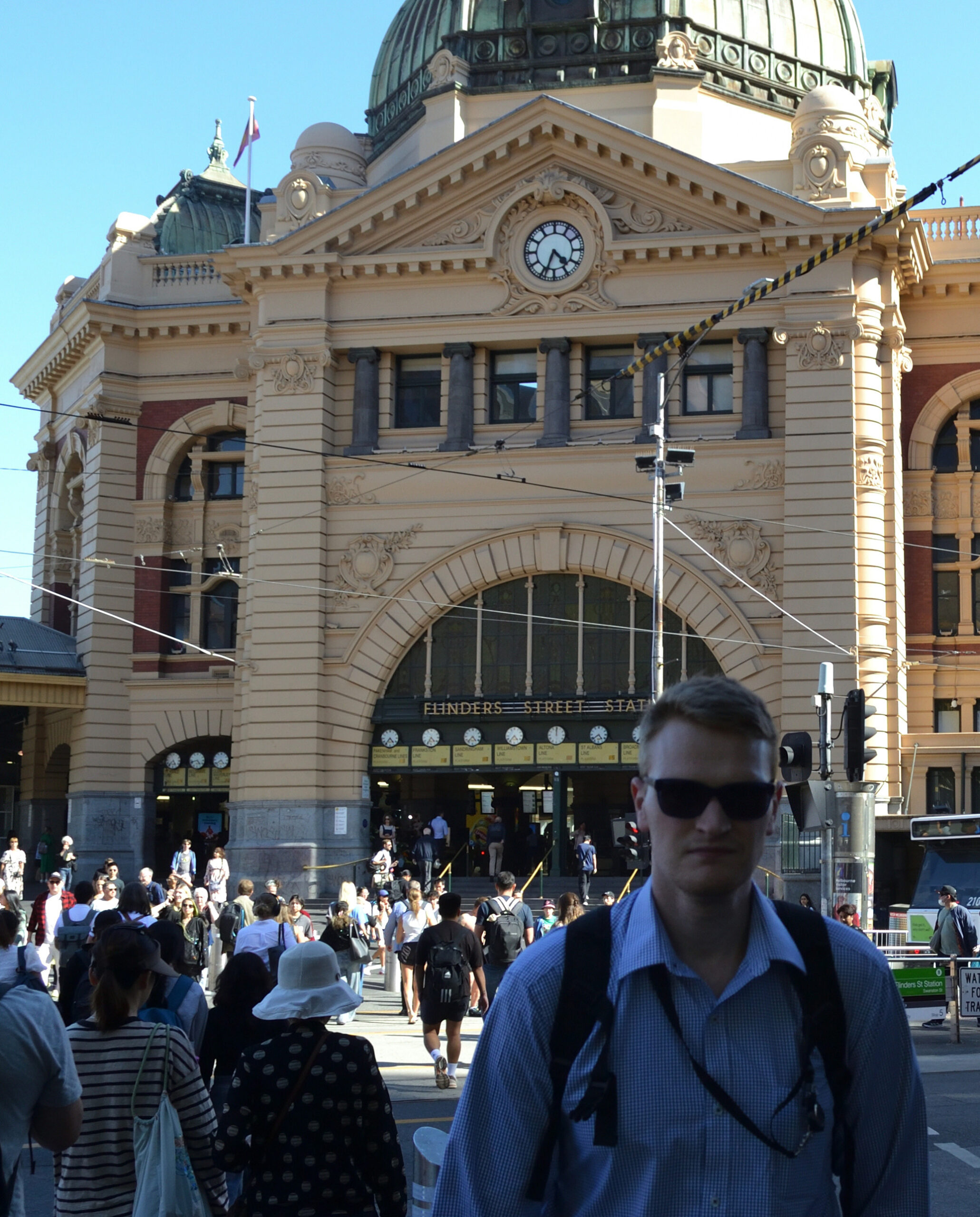
MELBOURNE, VIC. — The city of Melbourne, Australia, began as an illegal settlement after native-born Australian John Batman applied for land in the Westernport Bay area of southern Australia but was denied his request.
In May 1835, he led a syndicate known as the ‘Port Phillip Association’ to explore Port Phillip Bay and, when he found a suitable site, he established a small settlement, naming it Batmania.
Shortly afterwards, he signed a ‘treaty’ with the indigenous Wurundjeri people, giving him free access to almost 250,000 hectares of land, and in return, paying them an annual offering of dozens of items such as blankets, axes, knives, scissors, mirrors, handkerchiefs, flour and clothing.
However, Governor Bourke declared Batman’s treaty invalid and issued a proclamation warning him and his syndicate as trespassers on Crown land. Regardless, the infant and illegal settlement thrived.
Conceding its existence, early in March 1837, Governor Bourke directed that the town be laid out. He named the flourishing settlement ‘Melbourne’ after the British Prime Minister of the day. By the end of April, the proposed Melbourne city plan by Sydney surveyor Robert Hoddle was lodged at the government survey office in Sydney.
On June 25, 1847, Melbourne was declared a city by letters patent of Queen Victoria. When Victoria separated from New South Wales in 1851, it was the natural choice to be the capital. Melbourne is now the second-largest city in Australia.