






















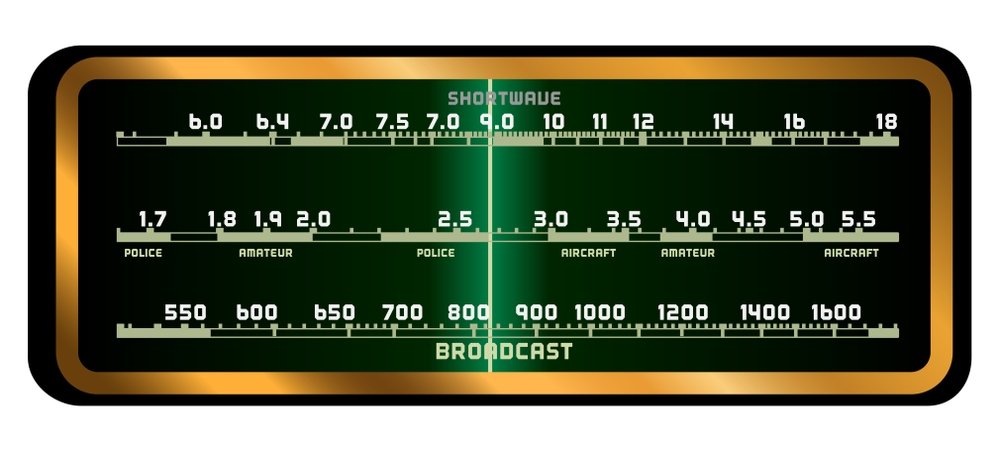
The shortwave radio station UVB-76, famously known as “The Buzzer” and located near Moscow, Russia, has resumed broadcasting encrypted messages after years of continuous monotone buzzing.
Since the 1970s, the station has been known for its persistent droning sound, but recently it interrupted this usual broadcast twice to transmit coded messages consisting of Russian words, numbers and cryptic codes.
The Kremlin has a long history of causing radio communication interference.
Given the nickname ‘Russian Woodpecker’ by shortwave listeners for its emissions randomly appearing and sounding like sharp, repetitive tapping noises at a frequency of 10Hz.
Random frequency hops often disrupted legitimate broadcasts, amateur radio operations, oceanic, commercial, aviation communications, and utility transmissions, resulting in thousands of complaints from many countries worldwide.
The signal became such a nuisance that some communications receivers began including “Woodpecker Blankers” in their circuit designs.

Among the currently transmitted messages, the previously used call sign “NZhTI” appeared, alongside sequences of numbers such as “38, 965, 78, 58, 88, 37.” Some listeners speculated that these numbers might represent geographical coordinates.
A video of the broadcast quickly spread on social media, prompting comments like, “Something big is going to happen tonight.”
Possible government use
Professor David Stupples, who teaches electronics and radio engineering at City University London, suggested that the Russian government likely operates the station. He noted, “This might be a security measure and is unlikely to serve peaceful purposes.”
Ary Boender, a Dutch radio researcher, reflected on various theories about the station that have emerged over the years. “Some say it is an old Soviet ‘Dead Man’s Switch’ that would trigger a nuclear attack on the West if the buzzing stops.
Others believe it’s a signal for UFOs or even a mind control device,” he explained.
Mysterious history
UVB-76 attracted the attention of amateur radio enthusiasts starting in the 1980s. From the 1990s onward, it became known for its regular buzzing noises, occasionally interrupted by random names, words and numbers. Some researchers argue that this variety suggests the station serves more than just an ordinary emergency frequency.
Measurements by Professor Stupples show that the station broadcasts with thousands of watts of power, reaching in all directions.
Whether the latest messages can be decoded remains uncertain. However, much like during the Cold War, the “Doomsday Radio” continues to provoke curiosity and unease in the international community today.
– With Amateur Radio Operators and Shortwave listeners.